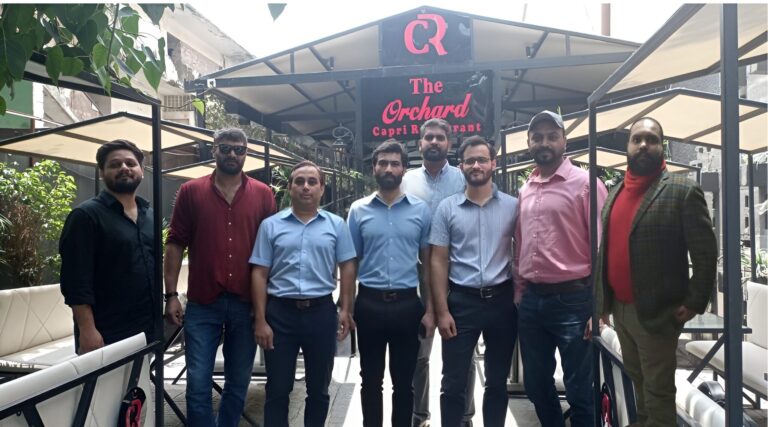
Employee Farewell Breakfast
Celebrating the journeys of four departing team members at Cordatus. Explore highlights from our farewell breakfast as we say thank you for years of dedication.

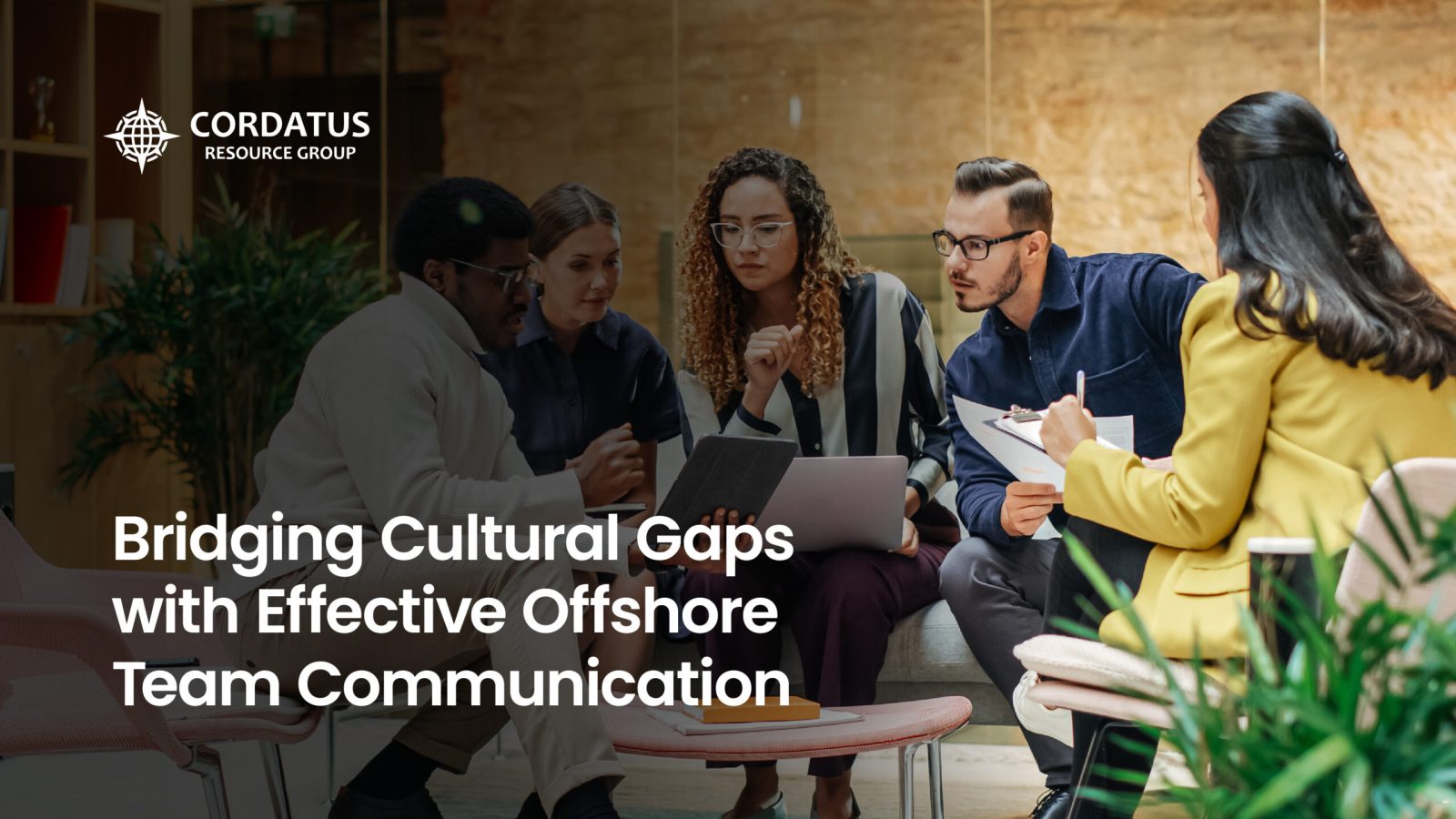
In a world increasingly connected by technology but still divided by culture, managing offshore teams requires more than assigning tasks and holding virtual meetings. It demands deep awareness, intentional communication strategies, and a commitment to cultural fluency. Without these, even the best talents can become disconnected, misunderstood, or disengaged.
In this blog, we’ll explore how companies can bridge cultural gaps and foster a thriving, collaborative environment across global teams.
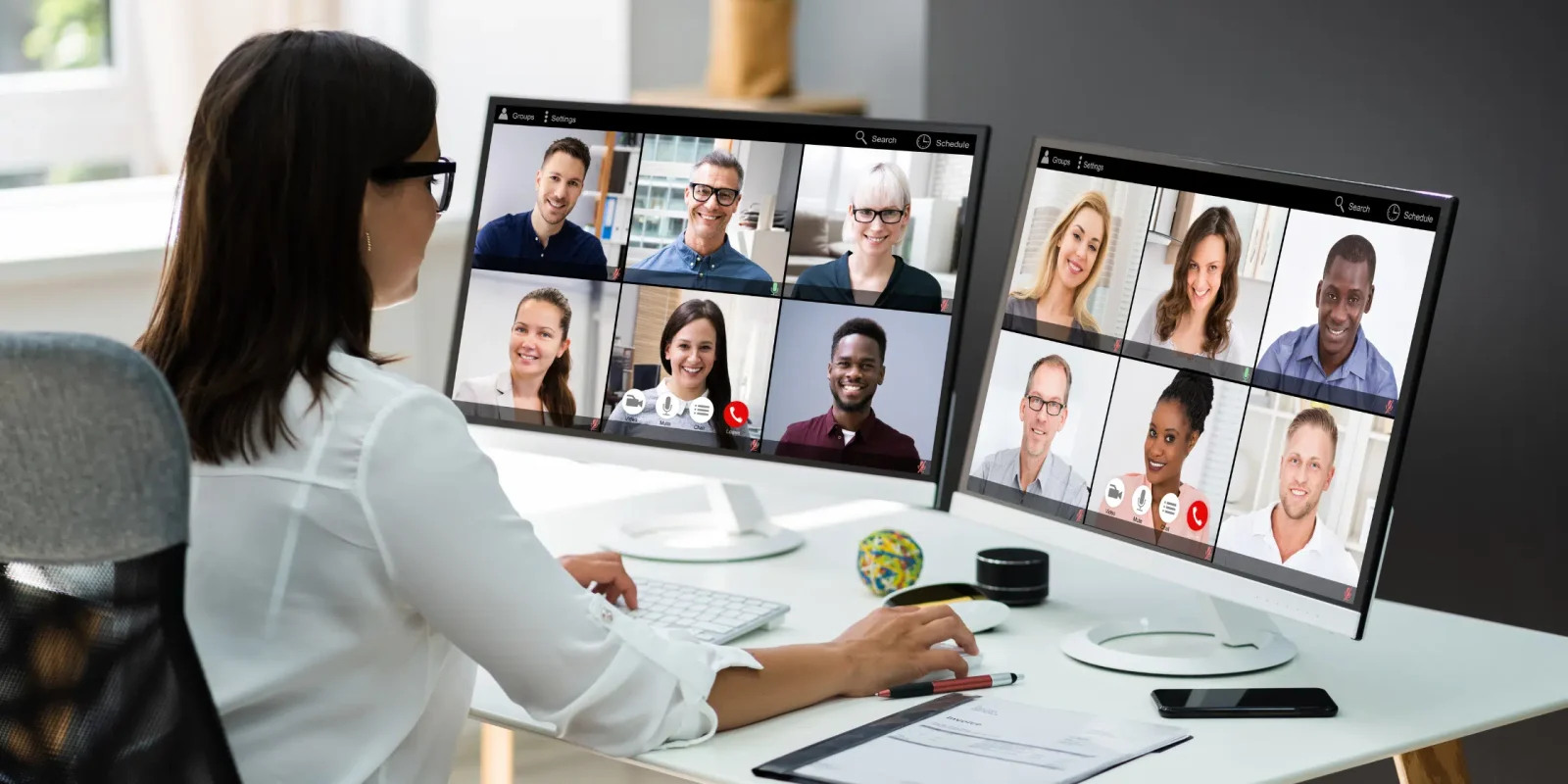
While time zone differences are often addressed with scheduling tools, cultural timing is often ignored. For instance, a direct “no” in a Western context may be perfectly acceptable, whereas in some Asian cultures, indirect communication is favored to avoid conflict or embarrassment. Understanding the unspoken expectations, whether it’s hierarchy, personal space, or emotional expression, can be a game-changer.
Make it a practice to invest in cultural training or workshops. These sessions can help team members learn how to interpret cues that might otherwise seem confusing or even disrespectful. This investment lays the groundwork for empathy and mutual understanding.
Ready to stop juggling spreadsheets and emails? Let us help you deploy project management tools tailored to your workflow, boosting delivery and team accountability.

Communication failures often stem not from language barriers, but from assumptions of shared understanding. Offshore teams should not be expected to “read between the lines.” Establishing clear communication protocol structured status updates, weekly summaries, and task clarifications ensures that expectations are not just spoken but understood.
Use collaboration tools like Slack, Notion, or Microsoft Teams not just as chat apps, but as documentation hubs. These tools should contain clear guidelines on project objectives, response timelines, escalation processes, and who to contact for what. Clarity removes guesswork and friction.
Appointing cultural liaisons within both the home and offshore teams is one of the most overlooked yet impactful moves. These are individuals trained to translate not just language but context. They understand both sides and can gently coach team members on cultural etiquette, norms, and communication styles.
Think of them as interpreters of unspoken nuance, explaining why a teammate hesitated to speak up or why a deadline wasn’t acknowledged with urgency. This role dramatically reduces miscommunication and makes remote collaboration smoother.

Feedback is a two-way street, but cultural conditioning may prevent offshore team members from offering honest opinions, especially if they come from high-power-distance societies. This means they may avoid challenging ideas or ask for help to avoid appearing disrespectful.
To bridge this, leaders must normalize vulnerability. Invite feedback proactively and model how to receive it graciously. Use anonymous surveys or pulse checks to create a safer feedback loop. Over time, as psychological safety grows, so will the quality of contributions.
Don’t compromise on data security. Cordatus sets up encrypted file-sharing and cloud storage systems that keep your sensitive documents safe and accessible.
Creating shared rituals and celebrating local traditions strengthens a sense of belonging. Whether it’s acknowledging Diwali, Ramadan, or Independence Day from your team’s country, these gestures show respect and honor their identity.
Hold virtual cultural days where each team member can share a bit of their culture, food, music, or even funny idioms. These activities not only reduce barriers but build empathy, humanizing teammates who might otherwise remain avatars on a screen.

In a global setup, asynchronous communication is a necessity, but that doesn’t mean it has to feel cold or transactional. Use recorded video messages (Loom, Vidyard), thoughtful voice notes, and personalized updates to retain a human touch even when time zones clash.
Balance async tools with live check-ins that prioritize connection over productivity. Ask about weekends, families, or favorite local dishes. Remember: cultural understanding doesn’t just happen through a project plan; it happens through intentional curiosity.
Leading a multicultural, offshore team demands a different skillset than managing a local one. Leaders must be trained to decode cultural norms, resist unconscious bias, and navigate emotionally intelligent conversations across cultures.
Workshops on global leadership, cultural fluency, and empathy in action should be mandatory for project managers. After all, the leader sets the tone, and when they lead with humility and awareness, the team follows suit.

KPIs and deliverables are essential, but so are shared values. What does success look like across cultures? Is it speed, quality, innovation, or harmony? Aligning these definitions removes ambiguity and sets a collective North Star.
Create a team charter that outlines not just goals, but how you’ll work together: how feedback is handled, how conflicts are resolved, and how wins are celebrated. This is especially crucial when teams span multiple cultural mindsets.
Bridging cultural gaps is crucial because it reduces misunderstandings, enhances collaboration, and fosters mutual respect among team members from different regions. When cultural nuances are acknowledged and respected, offshore teams perform more efficiently and feel more connected to the organization’s goals.
Common challenges include time zone misalignment, language barriers, differing communication styles (e.g., direct vs. indirect), and varying interpretations of urgency and accountability. These can lead to missed deadlines, low morale, or even project failure if not properly managed.
Cross-cultural communication training should include active listening skills, understanding non-verbal cues, learning about different cultural values, and role-playing real-world scenarios. Providing a safe space for asking questions and sharing feedback also helps normalize intercultural dialogue.
Project management tools like Asana, Trello, and Monday.com, along with communication platforms like Slack, Microsoft Teams, and Zoom, are essential. These tools support asynchronous updates, documentation, and structured workflows that bridge geographical and cultural divides.
To promote inclusivity, rotate meeting times to accommodate various time zones, share agendas in advance, and assign a moderator to encourage balanced participation. Record meetings and send summaries so no one is left out due to scheduling conflicts.
Yes! Cordatus Resource Group specializes in providing offshore support teams that are trained in cross-cultural communication and U.S. market norms. Whether it’s IT, finance, insurance back-office, recruiting, or customer service, Cordatus ensures seamless collaboration between your global and local teams.
At Cordatus Resource Group, we understand that the challenges of global team management go beyond software and time zones, they’re deeply human.
Here’s how we help our partners build globally empowered teams:
We assess how your teams currently interact and identify breakdowns caused by cultural misunderstandings.
We train your leaders to become culturally competent, empathetic, and globally aware communicators.
Our experts build customized communication frameworks for your offshore operations, aligned with your brand and mission.
We craft onboarding journeys that introduce offshore teams to your company culture, values, and workflows, bridging gaps from day one.
We facilitate virtual sessions where home and offshore teams collaboratively define what success means across the board.
From digital appreciation events to cultural celebration kits, we create campaigns that foster unity and recognition.
: We help implement communication platforms (Slack, Teams, Zoom) with workflows that reduce noise and enhance cross-cultural clarity.
Celebrating the journeys of four departing team members at Cordatus. Explore highlights from our farewell breakfast as we say thank you for years of dedication.
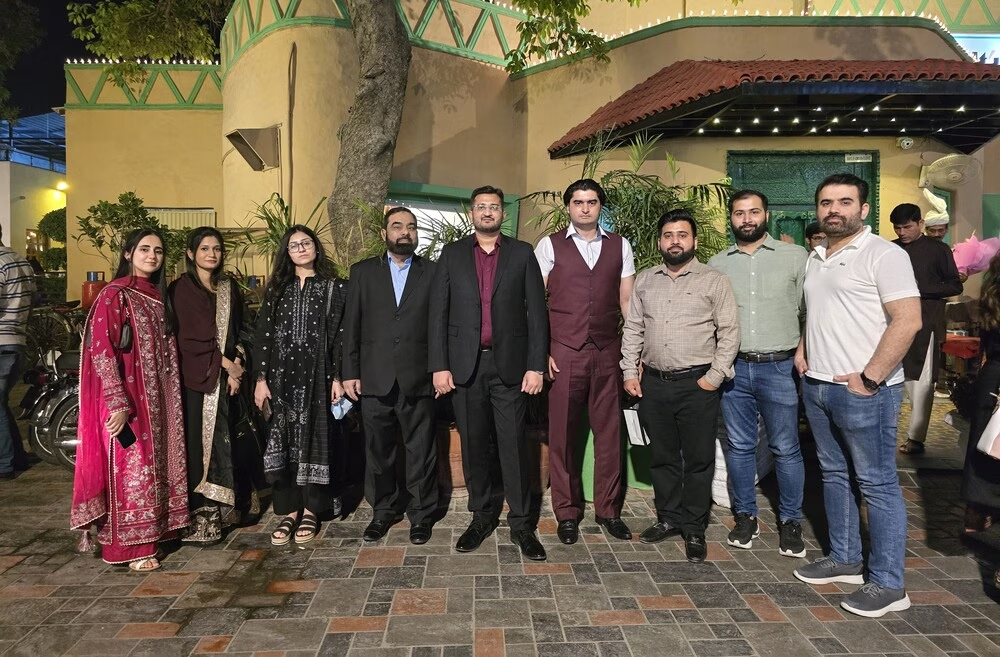
Investing in our people means fostering connection and purpose beyond the workplace. See how we strengthen our team culture.
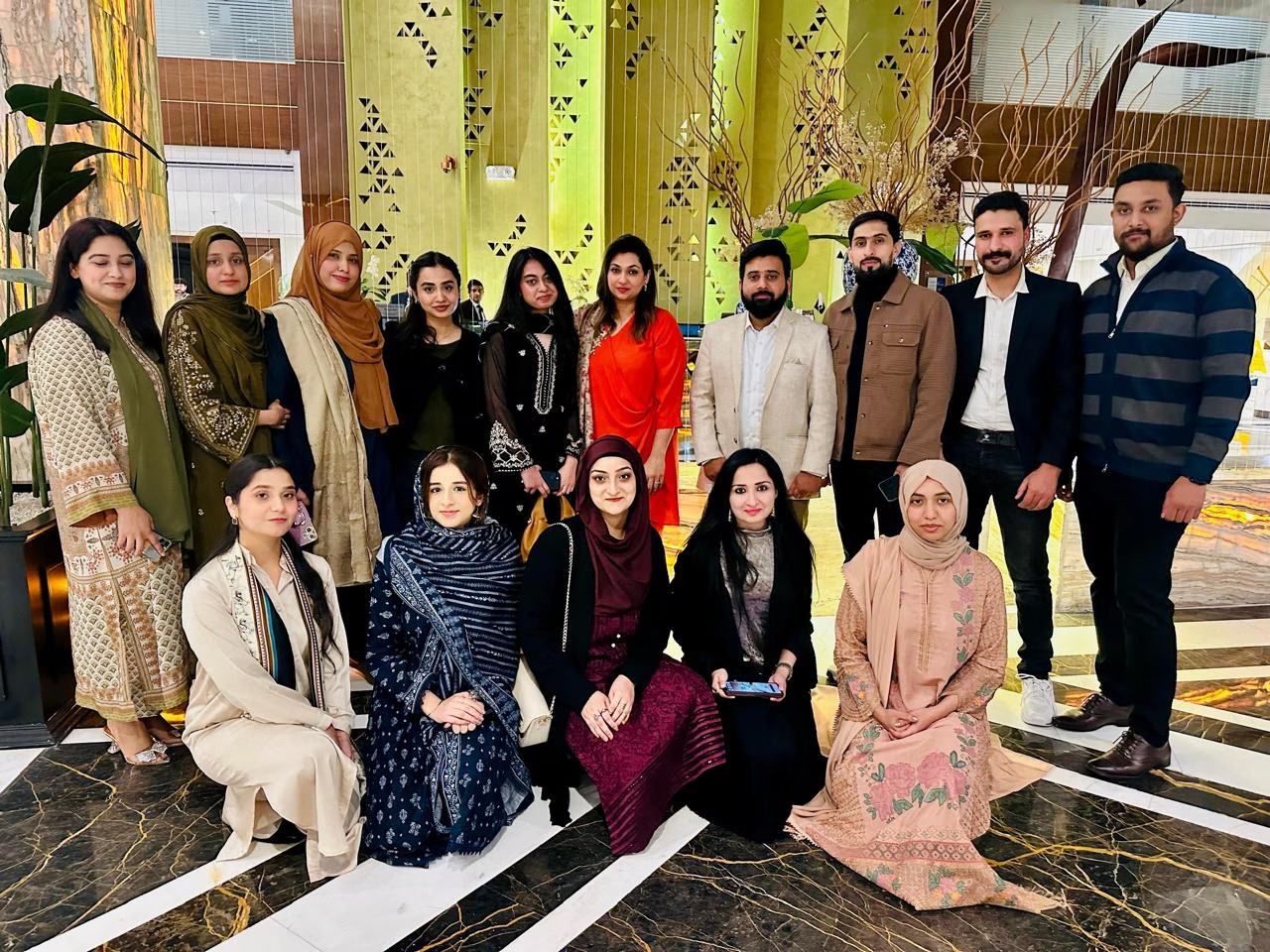
Cordatus Resource Group team enjoying synergy & good food. A night of camaraderie and appreciation. Cheers to our stellar team
Join Cordatus Resource Group on LinkedIn for Latest Updates

© 2026 Cordatus Resource Group, LLC. - All Rights Reserved