
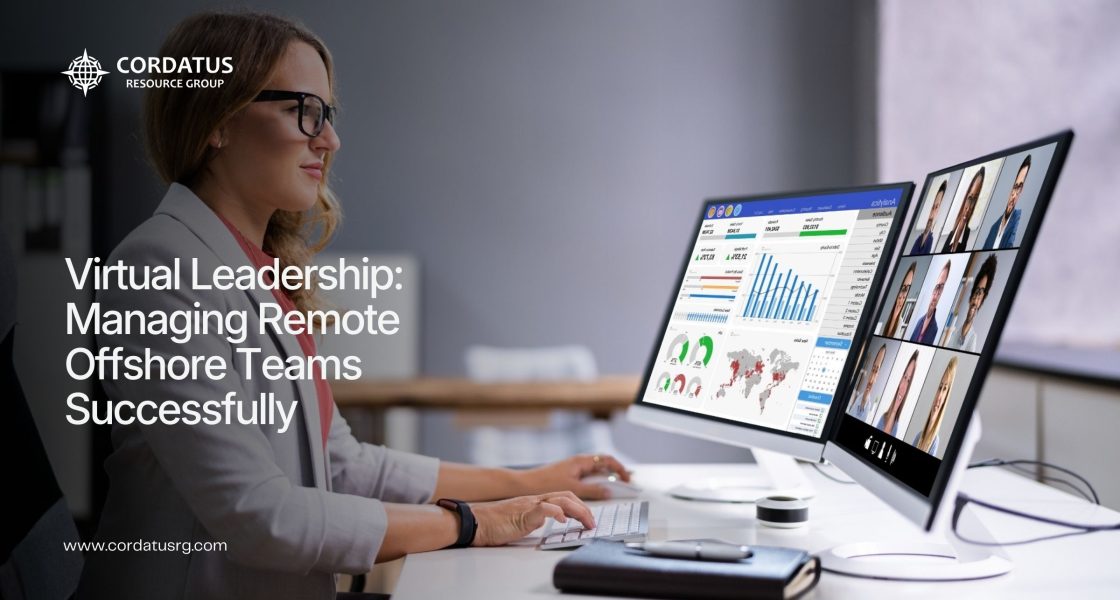
The shift to remote work has transformed leadership into a digital-first discipline, where managing offshore teams requires a blend of strategic foresight, emotional intelligence, and technological savvy. Leading a team spread across continents, time zones, and cultures is not just a logistical challenge; it’s an opportunity to harness global talent for unparalleled agility and innovation. However, success hinges on overcoming barriers like miscommunication, cultural misunderstandings, and lack of cohesion. By adopting intentional strategies, virtual leaders can turn offshore teams into a competitive advantage, driving efficiency and fostering a sense of shared purpose despite physical distances.
Trust is the cornerstone of effective remote leadership, particularly when managing offshore teams with limited face-to-face interaction. Without trust, even the most skilled team members may hesitate to take the initiative or feel disconnected from the organization’s mission. Building trust starts with demonstrating reliability, transparency, and genuine care for team members as individuals, not just as resources.
Leaders should prioritize regular one-on-one check-ins that go beyond task updates to include personal conversations about challenges, aspirations, or feedback. These interactions signal that leaders value team members’ contributions and well-being. Transparency in setting expectations, such as clear project deadlines, performance metrics, and decision-making processes, further reinforces trust by eliminating ambiguity. Publicly recognizing achievements, whether through team-wide announcements or virtual award ceremonies, fosters a sense of belonging and motivates team members to take accountability for their work. By investing in trust early, leaders lay a foundation for collaboration and accountability that drives long-term success.
Effective communication is the lifeblood of virtual leadership, especially for offshore teams where physical distance and time zone differences can amplify misunderstandings. Clear, structured communication channels ensure that every team member, regardless of location, stays informed, aligned, and empowered to contribute.
Leaders should leverage tools like Slack or Microsoft Teams for real-time, asynchronous updates, allowing team members to stay connected without requiring constant availability. Weekly video meetings via Zoom or Google Meet provide a platform for strategic alignment, brainstorming, and face-to-face interaction, which helps bridge the emotional gap of remote work. To prevent information silos, all key decisions, project updates, and resources should be documented in a centralized, accessible workspace like Notion, Confluence, or . This ensures that team members in different time zones can access critical information at their convenience, reducing delays, and fostering a sense of inclusion. By establishing robust communication protocols, leaders minimize confusion and create a seamless flow of information across the team.
Offshore teams often bring a rich diversity of perspectives, which can be a powerful asset when managed thoughtfully. However, cultural differences and time zone disparities can create friction if not addressed proactively. Effective virtual leaders invest time in understanding the cultural nuances of their team members’ backgrounds, such as communication styles, decision-making preferences, and workplace expectations.
For example, learning basic cultural etiquette, like greeting norms or attitudes toward hierarchy, can prevent unintentional missteps and build mutual respect. Hosting knowledge-sharing sessions where team members present insights about their local markets or cultural practices not only enhances collaboration but also sparks innovation by blending diverse perspectives. These efforts create an inclusive environment where team members feel valued, fostering empathy and creativity that strengthen team dynamics.
Micromanaging remote offshore teams is not only impractical but also counterproductive, as it undermines trust and stifles initiative. Instead, virtual leaders should focus on defining clear, outcome-based goals that empower team members to take ownership of their work. Using the SMART framework; Specific, Measurable, Achievable, Relevant, Time-bound; ensures that goals are precise and trackable, providing clarity for both leaders and team members.
Assigning ownership of specific deliverables encourages accountability while giving team members the autonomy to execute tasks in ways that suit their strengths. Tools like Asana, Trello, or ClickUp can track progress transparently, offering real-time visibility into project milestones without the need for constant check-ins. Regular reviews of these goals, coupled with constructive feedback, help team members stay aligned with organizational objectives while feeling trusted to perform. This approach not only boosts productivity but also cultivates a sense of empowerment, as team members see their contributions directly impacting the organization’s success.
A strong team culture transcends physical boundaries, uniting offshore teams through shared values, purpose, and camaraderie. Virtual leaders must be intentional about creating a sense of community, as remote work can otherwise feel isolating. This starts with small, deliberate actions that humanize the virtual workplace and make team members feel connected beyond their tasks.
Hosting virtual celebrations for milestones, such as project completions or birthdays, reinforces a sense of shared achievement. Encouraging “camera-on” events, like casual Friday meetups or themed virtual gatherings, helps team members build personal connections. Creating dedicated chatrooms for non-work-related discussions, such as hobbies, travel, or local events; fosters informal bonding and helps replicate the watercooler moments of in-office environments. These efforts signal that the organization values its people as individuals, not just as workers, resulting in a cohesive, motivated team that feels genuinely invested in the company’s mission.
Remote work can blur the lines between professional and personal life, especially for offshore teams working across time zones. Virtual leaders must proactively protect their team’s well-being to prevent burnout and sustain high performance. This starts with setting clear boundaries around working hours, ensuring team members aren’t pressured to respond to messages or attend meetings outside normal work hours.
Respecting local holidays and weekends demonstrates cultural sensitivity and helps team members maintain a healthy work-life balance. Leaders can also encourage well-being by promoting practices like regular breaks, flexible schedules, or access to wellness resources, such as online fitness classes or mental health support. By modeling healthy work habits themselves, such as avoiding after-hours emails, leaders create a culture where well-being is prioritized. This not only boosts morale but also fosters loyalty, as team members feel their personal needs are respected, leading to sustained productivity and engagement.
The tools and technologies that power remote collaboration are constantly evolving, and effective virtual leaders stay ahead of the curve. Familiarity with cutting-edge platforms, like AI-driven project management tools, virtual whiteboards, or advanced video conferencing systems, can significantly enhance team efficiency. Leaders should regularly evaluate and adopt tools that streamline workflows, such as Miro for brainstorming or Zapier for automating repetitive tasks.
Equally important is fostering a culture of continuous learning. Encouraging team members to pursue online courses, certifications, or workshops, whether technical skills, leadership, or industry trends; keeps the team adaptable and competitive. Leaders can support this by allocating budgets for professional development or organizing virtual “learning lunches” where team members share new skills. This commitment to growth not only strengthens individual capabilities but also drives innovation, ensuring the team remains agile in a fast-changing global market.
Managing offshore teams requires expertise in navigating complex logistical, cultural, and operational challenges. Cordatus Resource Group specializes in building high-performing offshore teams across functions like IT Support, Recruiting, Accounting, Finance, Administration, Insurance, Digital Marketing and Customer Service. Our tailored solutions streamline offshore operations, ensuring seamless communication, alignment, and productivity.
By leveraging our expertise, leaders can focus on high-level strategy while we handle the intricacies of team coordination, tool integration, and performance optimization. With Cordatus, your offshore teams become a unified, motivated force driving your organization’s success, no matter where they’re located.
With Cordatus as your partner, your offshore teams stay connected, compliant, and productive, regardless of their geographic location.
Virtual leadership is about more than managing tasks across screens; it’s about inspiring and uniting people across borders. By prioritizing trust, clear communication, cultural alignment, and well-being, leaders can transform offshore teams into dynamic engines of innovation and efficiency. With the right strategies and support, the challenges of distance, time zones, and cultural differences become opportunities to build stronger, more resilient teams. Effective virtual leadership isn’t just about managing remotely; it’s about leading with empathy, vision, and purpose.
Tap into the full potential of a skilled international workforce. Cordatus Resource Group provides the expert management and tailored strategies you need to drive efficiency and growth. Learn more at cordatusrg.com.
Join Cordatus Resource Group on LinkedIn for Latest Updates

© 2026 Cordatus Resource Group, LLC. - All Rights Reserved